

How is chuck steak best cooked? This flavorful and budget-friendly cut of beef, sourced from the shoulder of the cow, is known for its bold taste but also its natural toughness due to connective tissue. With the right techniques, chuck steak transforms into tender, juicy, and delicious meals that rival pricier cuts.
Whether you’re grilling for a steakhouse experience, pan-searing for a quick dinner, or slow-braising for melt-in-your-mouth tenderness, understanding how is chuck steak best cooked ensures you get the most out of this versatile cut. This guide will walk you through the best cooking methods, preparation tips, and ways to enhance its flavor and texture.
What Is Chuck Steak?
Chuck steak comes from the shoulder section of the cow, also known as the chuck primal. This area is known for its hard-working muscles, which contribute to its robust flavor and moderate marbling.
Characteristics of Chuck Steak
- Rich Beefy Flavor:
- Chuck steak has a bold, savory taste that pairs well with marinades, spices, and sauces.
- Texture:
- It contains connective tissue, which can make it tough if not cooked properly. However, slow cooking methods break down these tissues for a tender result.
- Appearance:
- The steak often has visible marbling, but it may also include small portions of gristle or fat, depending on the cut.
Pro Tip: Look for a chuck steak with uniform marbling for better flavor and tenderness.
Popular Cuts of Chuck Steak
- Boneless Chuck Steak:
- A versatile cut that works well for grilling, pan-searing, or braising.
- Chuck Eye Steak:
- Sometimes called the “poor man’s ribeye,” this cut is more tender and ideal for quick-cooking methods.
- Shoulder Steak:
- Slightly tougher, this cut is better suited for slow cooking or marinating before grilling.
Why Chuck Steak Needs Special Cooking
Chuck steak is a flavorful cut of beef, but its unique characteristics require specific cooking techniques to maximize its tenderness and taste. Here’s why it needs special attention:
Toughness Due to Connective Tissue
- Muscle Usage:
- The chuck section comes from the cow’s shoulder, a heavily worked area.
- This means the meat has more connective tissue, which can make it tough if cooked incorrectly.
- Breaking Down Connective Tissue:
- Slow cooking methods, like braising, allow the collagen in the connective tissue to break down into gelatin, resulting in a tender and flavorful steak.
Pro Tip: For quick-cooking methods like grilling or pan-searing, tenderize the meat with a mallet or marinade before cooking.
Benefits of Slow Cooking
- Enhanced Tenderness:
- Cooking chuck steak at low temperatures for an extended period softens the meat, making it fork-tender.
- Flavor Development:
- Slow cooking allows the steak to absorb the flavors of marinades, spices, and cooking liquids, enhancing its natural taste.
Ideal Methods:
- Braising, roasting, or slow-cooking in a pressure cooker are great options for this cut.
Quick-Cooking for Thin Slices
- Thinly Sliced for Tender Bites:
- When cooked quickly, chuck steak works best when sliced thin against the grain. This shortens the muscle fibers, reducing toughness.
- Best Applications:
- Use quick-cooked slices in stir-fries, tacos, or steak sandwiches.
Pro Tip: Flash cook chuck steak over high heat for 2–3 minutes per side, then slice thinly for tender bites.
Best Cooking Methods for Chuck Steak
Chuck steak’s versatility allows it to shine in a variety of cooking methods. From quick searing to slow braising, here’s how to get the most out of this flavorful cut.
1. Grilling for a Steakhouse Feel
- Why It Works:
- The marbling in chuck steak keeps it juicy on the grill, while high heat develops a caramelized crust.
- Grilling is best for thinner cuts or tenderized chuck steak.
- How to Grill Chuck Steak:
- Preheat the grill to high heat (450°F–500°F).
- Season the steak with salt, pepper, and a dash of garlic powder or smoked paprika.
- Grill for 4–5 minutes per side for medium-rare, or adjust for your desired doneness.
Pro Tip: Let the steak rest for 5–10 minutes after grilling to retain its juices.
2. Braising for Tenderness
- Why It Works:
- Braising uses low, moist heat to break down the connective tissue in chuck steak, making it fork-tender.
- Ideal for thicker cuts or tougher portions of chuck steak.
- How to Braise Chuck Steak:
- Sear the steak on both sides in a hot skillet to lock in flavor.
- Add aromatics like onions, garlic, and carrots, then deglaze the pan with beef broth, wine, or tomato sauce.
- Cover and simmer on low heat for 2–3 hours, or transfer to a 300°F oven.
Pro Tip: Use fresh herbs like thyme or rosemary to enhance the braising liquid.
3. Pan-Searing for Quick Meals
- Why It Works:
- Pan-searing creates a golden crust and locks in the steak’s natural juices.
- Best for thin cuts or chuck steaks that have been tenderized.
- How to Pan-Sear Chuck Steak:
- Heat a cast-iron skillet over medium-high heat and add a tablespoon of oil with a high smoke point (e.g., avocado or vegetable oil).
- Sear the steak for 3–4 minutes on each side. If thicker, finish cooking in a 375°F oven until it reaches the desired doneness.
Pro Tip: Baste the steak with melted butter and garlic during the last minute of cooking for added richness.
4. Slow Cooking for Maximum Flavor
- Why It Works:
- Slow cooking allows the steak to absorb the flavors of the cooking liquid while becoming incredibly tender.
- Great for busy days, as you can set it and forget it.
- How to Slow Cook Chuck Steak:
- Place the steak in a slow cooker with onions, garlic, and vegetables.
- Add liquid (e.g., beef broth, tomato sauce, or a marinade) to cover the steak halfway.
- Cook on low for 6–8 hours or high for 4–5 hours.
Pro Tip: Add potatoes or root vegetables to the slow cooker for a complete one-pot meal.
5. Roasting for Even Cooking
- Why It Works:
- Roasting cooks the steak evenly while maintaining its natural juices.
- Best for chuck steaks that have been marinated or rubbed with spices.
- How to Roast Chuck Steak:
- Preheat the oven to 400°F and place the steak on a wire rack over a baking sheet.
- Roast for 20–25 minutes, flipping halfway through.
- Use the broiler for the last 2–3 minutes to caramelize the surface.
Pro Tip: Brush the steak with barbecue sauce or a glaze during the last 10 minutes for a flavorful crust.
Step-by-Step Guide to Cooking Chuck Steak
Transform chuck steak into a delicious and tender dish by following these simple, detailed steps for various cooking methods.
Preparing Chuck Steak
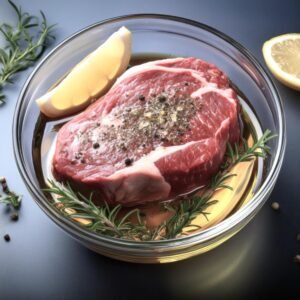
- Choose the Right Cut:
- Look for a chuck steak with good marbling and minimal gristle for the best flavor and texture.
- Tenderize:
- Use a meat mallet to break down tough fibers if the steak is thick or has visible connective tissue.
- Marinate for Flavor:
- Combine olive oil, garlic, soy sauce, and your favorite herbs in a bowl.
- Place the steak in the marinade and refrigerate for at least 2 hours, or overnight for deeper flavor.
Pro Tip: Add a splash of vinegar or lemon juice to the marinade to help tenderize the steak further.
Grilling Chuck Steak
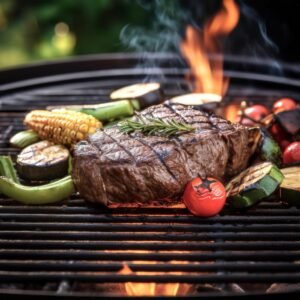
- Preheat the Grill:
- Heat the grill to high and oil the grates to prevent sticking.
- Season the Steak:
- Pat the steak dry, then season with salt, pepper, and any desired spices or rubs.
- Cook the Steak:
- Place the steak on the grill and sear for 4–5 minutes on each side.
- Use a meat thermometer to check doneness:
- Medium-rare: 135°F
- Medium: 145°F
- Rest and Serve:
- Let the steak rest for 5–10 minutes before slicing against the grain.
Braising Chuck Steak
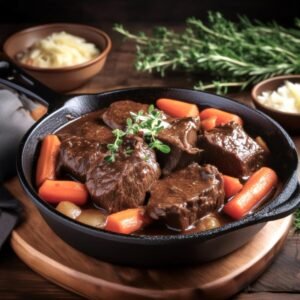
- Sear the Steak:
- Heat a skillet over medium-high heat, add oil, and sear the steak on both sides until browned.
- Prepare the Braising Liquid:
- In the same skillet, sauté onions, garlic, and carrots, then deglaze with red wine, beef broth, or tomato sauce.
- Simmer:
- Add the steak back to the skillet, ensuring it’s partially submerged in the liquid. Cover and simmer on low heat for 2–3 hours, or bake in a 300°F oven.
- Finish and Serve:
- Garnish with fresh parsley and serve with mashed potatoes or crusty bread.
Pan-Searing Chuck Steak
- Heat the Skillet:
- Preheat a cast-iron skillet over medium-high heat and add a tablespoon of oil.
- Sear the Steak:
- Place the steak in the skillet and sear for 3–4 minutes on each side until a crust forms.
- Optional Oven Finish:
- For thicker cuts, transfer the skillet to a 375°F oven and cook for 5–10 minutes until the desired doneness.
- Baste and Serve:
- During the last minute of cooking, baste the steak with butter, garlic, and thyme for added flavor.
Slow Cooking Chuck Steak
- Layer Ingredients:
- Place the steak in a slow cooker and add chopped onions, garlic, carrots, and potatoes.
- Add Liquid:
- Pour in beef broth, tomato sauce, or a marinade to cover the steak halfway.
- Cook Low and Slow:
- Set the slow cooker to low for 6–8 hours or high for 4–5 hours.
- Serve Tender:
- Once cooked, shred the steak with a fork or serve it whole with the cooked vegetables.
Roasting Chuck Steak
- Preheat the Oven:
- Set the oven to 400°F and place the steak on a wire rack over a baking sheet.
- Season and Roast:
- Brush the steak with olive oil and season with salt, pepper, and herbs. Roast for 20–25 minutes, flipping halfway through.
- Finish with the Broiler:
- Broil for 2–3 minutes to caramelize the surface.
- Rest and Slice:
- Let the steak rest for 5 minutes, then slice thinly against the grain.
Tips for Enhancing Flavor and Tenderness
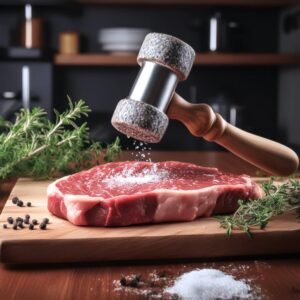
To get the most out of chuck steak, it’s important to use the right techniques to enhance its flavor and tenderness. Here are expert tips to elevate your cooking results.
Marinating for Deeper Flavor
- Why Marinate?
- Marinating helps break down tough fibers while infusing the steak with bold flavors.
- Best Ingredients for Marinades:
- Acidic Base: Use vinegar, lemon juice, or yogurt to tenderize.
- Flavor Additions: Add garlic, soy sauce, Worcestershire sauce, and fresh herbs like rosemary or thyme.
- Oil: Olive oil helps distribute the flavors evenly and keeps the steak moist.
Pro Tip: Marinate the steak for at least 2 hours or overnight for maximum tenderness and flavor.
Resting the Steak
- Why It Matters:
- Resting allows the juices to redistribute within the steak, ensuring it stays moist and tender when sliced.
- How Long to Rest:
- Let the steak rest for 5–10 minutes after cooking.
- Tent it loosely with foil to retain heat without creating steam.
Pro Tip: Resting also helps stabilize the temperature, making slicing easier.
Slicing Against the Grain
- What Is “Against the Grain”?
- The grain refers to the direction of the muscle fibers in the steak. Slicing against the grain shortens these fibers, making each bite more tender.
- How to Slice:
- Hold the knife at a slight angle and make clean, even cuts perpendicular to the grain.
Pro Tip: Use a sharp knife for precision and cleaner cuts.
Adding Flavor During Cooking
- Season Generously:
- Salt and pepper are essential for enhancing the natural beefy flavor. Add garlic powder, smoked paprika, or chili flakes for extra depth.
- Basting:
- In the final stages of cooking, baste the steak with melted butter, garlic, and fresh herbs to amplify flavor.
- Deglaze the Pan:
- After searing, add a splash of wine, broth, or balsamic vinegar to the pan and reduce to make a flavorful sauce.
Pro Tip: If grilling, brush the steak with barbecue sauce or a glaze during the last 2 minutes for a caramelized finish.
Tenderizing Techniques
- Use a Meat Mallet:
- Pound the steak lightly with a meat mallet to break down connective tissue.
- Salt Brining:
- Sprinkle coarse salt over the steak and let it sit for 30–60 minutes before cooking. The salt breaks down proteins, tenderizing the meat.
- Cook Low and Slow:
- Methods like braising or slow cooking naturally tenderize the steak over time.
Pro Tip: Avoid overcooking during quick methods like grilling or pan-searing, as this can make the steak tough.
Pairing for Maximum Enjoyment
- Side Dishes:
- Pair with creamy mashed potatoes, roasted vegetables, or a crisp green salad for a balanced meal.
- Sauces and Condiments:
- Serve with chimichurri, garlic butter, or a classic peppercorn sauce for added flavor.
Pro Tip: Add a fresh garnish like parsley or chives for color and a burst of freshness.
FAQs:
How Should I Cook Chuck Steak?u003cbru003e
u003cstrongu003eBest Cooking Methodsu003c/strongu003e: u003cstrongu003eGrillingu003c/strongu003e: Perfect for thinner cuts; sear on high heat for a caramelized crust.u003cbru003eu003cstrongu003ePan-Searingu003c/strongu003e: Quick and easy; ideal for weeknight dinners.u003cbru003eu003cstrongu003eBraisingu003c/strongu003e: Slow-cook in liquid to break down connective tissue and achieve fork-tender results.u003cbru003eu003cstrongu003eSlow-Cookingu003c/strongu003e: Great for hearty, flavorful dishes like stews or pot roast.u003cbru003eu003cstrongu003ePreparation Tipsu003c/strongu003e: Tenderize the steak with a mallet or marinade before cooking for the best texture.u003cbru003eAlways rest the steak after cooking to retain juices and tenderness.u003cbru003eu003cstrongu003ePro Tipu003c/strongu003e: Choose the cooking method based on the thickness of the steak and the time you have available.
Does Chuck Steak Get More Tender the Longer You Cook It?u003cbru003e
u003cstrongu003eYes, When Slow-Cookedu003c/strongu003e: Chuck steak becomes tender when cooked low and slow, as this allows the collagen in the connective tissue to break down into gelatin, adding richness and softness.u003cbru003eu003cstrongu003eBest Methodsu003c/strongu003e: Braising, roasting, or slow-cooking for 2–3 hours results in melt-in-your-mouth steak.u003cbru003eu003cstrongu003ePro Tipu003c/strongu003e: Be patient with slow cooking to let the natural tenderizing process occur fully.
How Do You Make Chuck Steak Not Tough?u003cbru003e
u003cstrongu003eTenderizing Techniquesu003c/strongu003e: Use a marinade with acidic ingredients like vinegar or lemon juice to break down muscle fibers.u003cbru003ePound the steak with a meat mallet to soften connective tissue.u003cbru003eSlice thinly against the grain to shorten muscle fibers.u003cbru003eu003cstrongu003eProper Cooking Methodsu003c/strongu003e: Avoid overcooking during quick methods like grilling or pan-searing, as this can make the steak chewy.u003cbru003eFor tougher cuts, stick to slow cooking or braising for tender results.u003cbru003eu003cstrongu003ePro Tipu003c/strongu003e: Rest the steak after cooking to allow the juices to redistribute, which helps maintain tenderness.
Does Chuck Steak Need to Be Slow-Cooked?u003cbru003e
u003cstrongu003eNot Alwaysu003c/strongu003e: Chuck steak doesn’t have to be slow-cooked, but it benefits significantly from methods like braising or slow-cooking to enhance tenderness.u003cbru003eFor quick-cooking methods like grilling or pan-searing, tenderizing and slicing properly are essential.u003cbru003eu003cstrongu003eWhen to Use Slow Cookingu003c/strongu003e: Choose slow cooking for thicker cuts or when you want a fall-apart texture, such as in pot roast or stews.u003cbru003eu003cstrongu003ePro Tipu003c/strongu003e: If you prefer a quicker method, opt for chuck eye steak, which is more tender and suitable for grilling or pan-searing.
Suggested Internal Links:
- What’s the Best Way to Cook Chuck Eye?
Explore the ideal methods for preparing chuck eye steak for tender, flavorful results. - Unveiling the Truth: Is Chuck Eye Steak the Same as Ribeye?
Compare chuck steak and ribeye to discover which is best suited for your next meal. - How to Make the Viral Crookie?
Balance your hearty chuck steak dishes with a delightful dessert like crookies. - What Does a Crookie Taste Like?
Contrast savory chuck steak recipes with the buttery sweetness of crookies. - Garlic Parmesan Chicken Pasta
Pair your chuck steak with a creamy and indulgent pasta for a satisfying meal.
Conclusion
How is chuck steak best cooked? This versatile and flavorful cut rewards careful preparation and the right cooking techniques. While it may have a reputation for toughness, methods like braising, slow cooking, or quick pan-searing can transform it into a tender and juicy dish.
Understanding its unique characteristics, such as connective tissue and rich marbling, helps you determine how is chuck steak best cooked for your needs. Whether you’re slow-braising it for unmatched tenderness or grilling it for a quick, flavorful meal, chuck steak adapts beautifully to countless recipes and flavor profiles.
With its bold flavor, affordability, and versatility, chuck steak is a fantastic addition to any kitchen. Experiment with marinades, seasonings, and cooking methods to fully enjoy this underrated cut. Happy cooking!
Discover more mouthwatering recipes on our Web Site ! Stay connected and get inspired by following us on Facebook, Instagram, Pinterest, and Twitter for the latest updates!
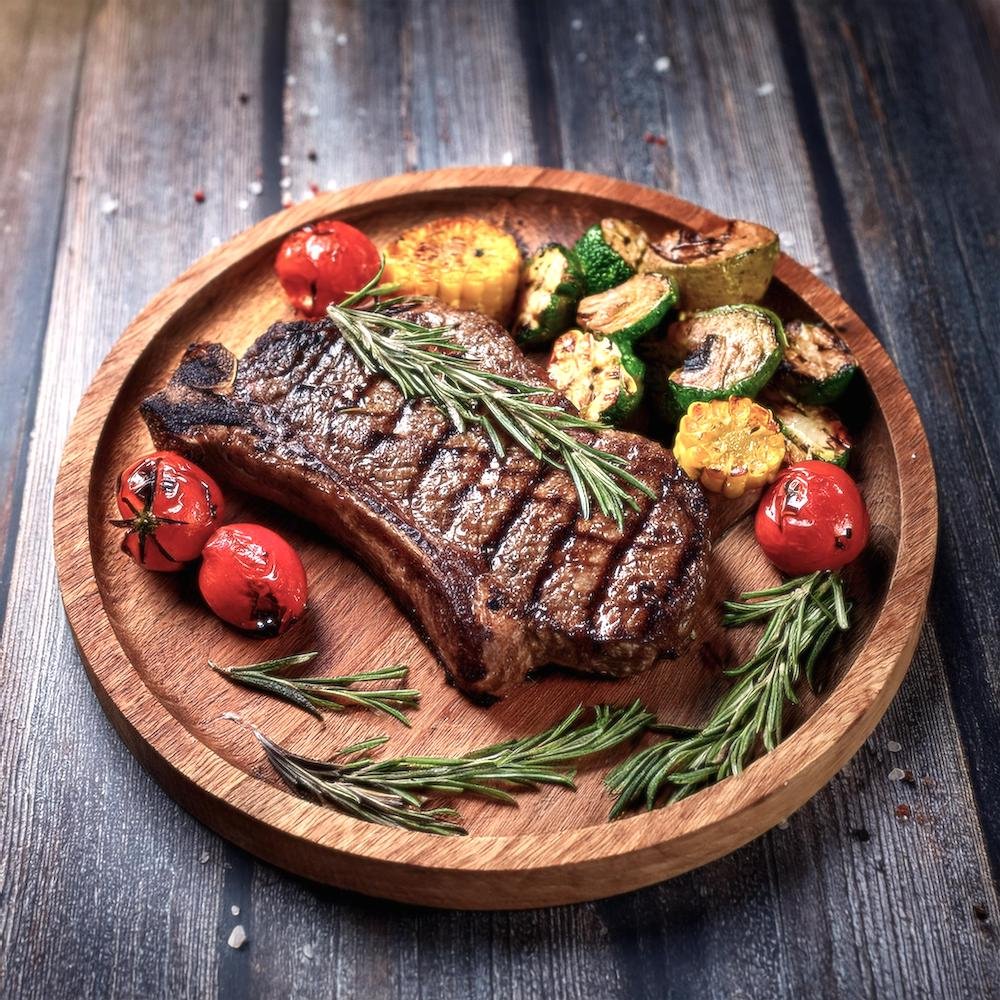
Chuck Steak Cooking Guide
Ingredients
Method
- Tenderize the chuck steak with a meat mallet and marinate in the mixture of olive oil, garlic, soy sauce, and vinegar for at least 2 hours, preferably overnight.
- Preheat the grill to high heat (450°F–500°F).
- Season the marinated steak with salt and pepper.
- Grill for 4–5 minutes on each side for medium-rare.
- Let the steak rest for 5–10 minutes after grilling.
- Sear the marinated chuck steak in a hot skillet until browned on both sides.
- Add beef broth, chopped onions, and carrots, then cover and simmer on low heat for 2–3 hours.
- Serve with mashed potatoes or crusty bread.
- Preheat a cast-iron skillet over medium-high heat.
- Add oil and sear the steak for 3–4 minutes on each side.
- Baste with melted butter during the last minute of cooking.
- Let it rest before slicing.
- Place the marinated steak in a slow cooker with onions, carrots, and cover with beef broth.
- Cook on low for 6–8 hours or high for 4–5 hours.
- Serve shredded with vegetables.